Tokyo hotel deals

Neon, shrines and world-class food – compare stays from Shinjuku to Asakusa.

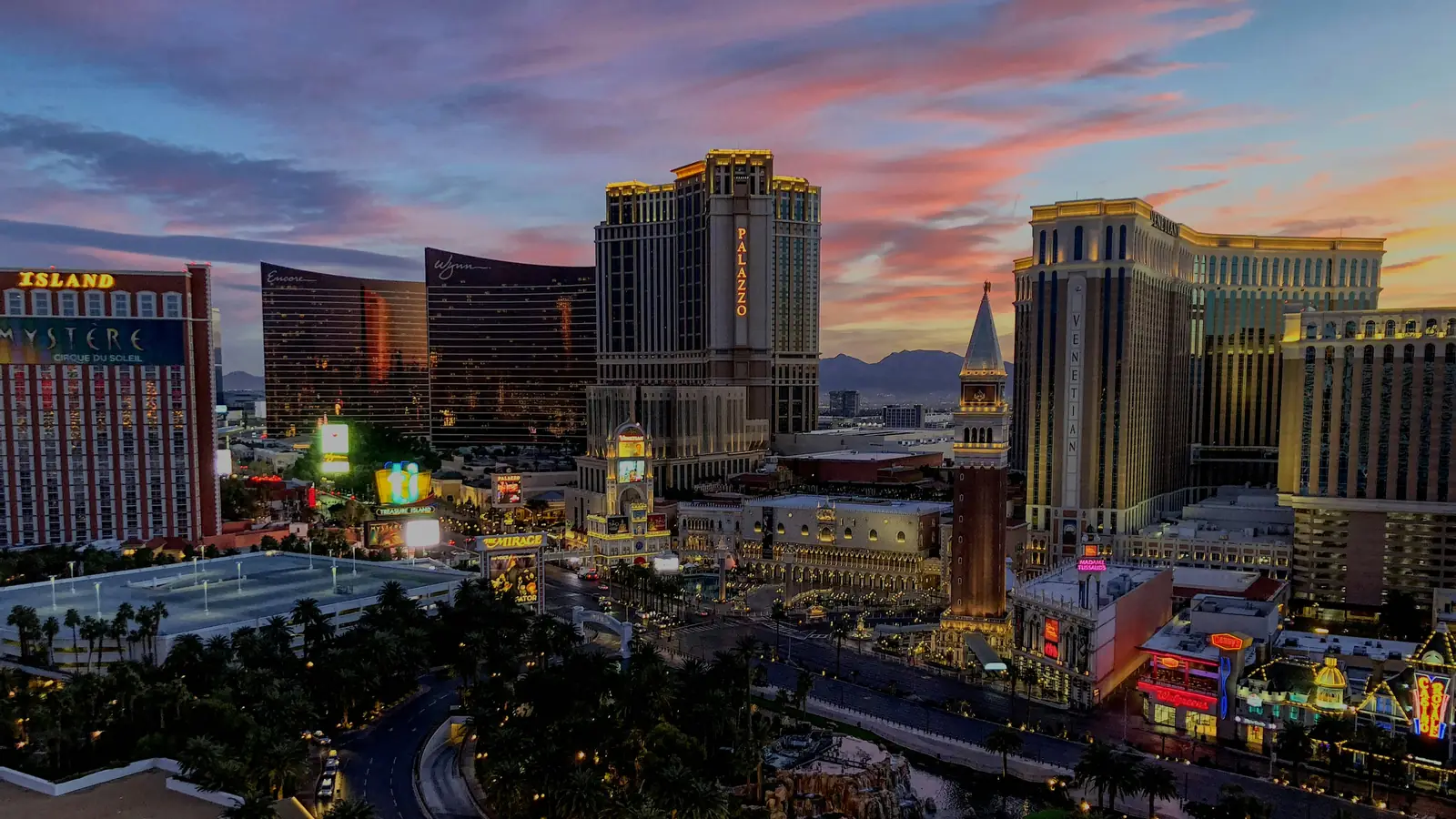
Photo: Clement Souchet / Unsplash

  • Compare in one search
  • No booking fees from Save60
  • Live prices on partner sites
  • Free cancellation on many rates
Staying in Tokyo

Tokyo has an enormous range of hotels, from compact business hotels and capsule hotels to traditional inns and luxury towers with views of Mount Fuji on clear days. Rooms are typically smaller than in Europe or North America, but spotless, quiet and efficient. Comparing many hotels in one search helps you balance room size, location and price, all of which vary sharply between districts and dates.

The city is vast, but the rail network is so good that where you stay mostly decides how many train changes you make each day. Bases on or near the JR Yamanote loop line keep journeys simple. Below you will find the areas we'd shortlist, the seasonal peaks driven by cherry blossom and Japanese holidays, how to get in from Haneda and Narita, and booking tips specific to Japan.

When Tokyo hotel prices peak

  • Lower demand
  • Shoulder
  • Peak – book early

Busiest monthsDemand peaks during cherry blossom season, usually late March to early April, and Golden Week from late April to early May, when much of Japan is on holiday at the same time. Autumn colours in November and the New Year holiday also bring high demand from both domestic and international visitors.

Best valueJanuary after the New Year holiday, February, June and September are usually the best-value months. June is the rainy season and September is hot with a risk of typhoons, while January and February are cold but mostly clear and dry.

Based on typical seasonal hotel demand, not live prices. Run a search to see current prices for your dates.

Where to stay in Tokyo

Shinjuku

Transport, nightlife, choice

Shinjuku Station is the world's busiest, with JR, Metro and private lines plus direct trains to Narita and day trips to Hakone and Mount Fuji. The area has a huge choice of hotels, department stores, the izakaya lanes of Omoide Yokocho and the nightlife of Kabukicho and Golden Gai. West Shinjuku is quieter, with larger tower hotels; the east side is livelier.

Shibuya

Shopping, younger crowd

Home to the famous scramble crossing, Shibuya has been reshaped by new towers such as Shibuya Scramble Square, with its rooftop observation deck, and is surrounded by shopping, cafés and nightlife. It is on the Yamanote line and several Metro lines, and walkable to Harajuku and Omotesando. Hotels tend to be newer and design-led, suiting travellers who want to be in the middle of things.

Ginza and Tokyo Station

Bullet-train trips, upmarket stays

Around Tokyo Station, the Marunouchi district and nearby Ginza combine department stores, galleries and fine dining with some of the city's most upmarket hotels. Shinkansen bullet trains to Kyoto, Osaka and beyond leave from Tokyo Station, and the Narita Express stops here. Evenings are quieter than in Shinjuku or Shibuya, and there are good business hotels in Nihonbashi and Kyobashi.

Asakusa and Ueno

Traditional Tokyo, value

Asakusa centres on Senso-ji temple and its shopping streets, with views of the Tokyo Skytree across the Sumida River, while Ueno has a large park, major museums and the Ameyoko market. Hotels and hostels here are often better value than in the west of the city. Keisei Skyliner trains run from Ueno to Narita, and the Asakusa line has through trains towards both airports.

Getting in from the airport

HNDTokyo Haneda

Haneda is the closer airport, on the bay south of central Tokyo. The Keikyu line reaches Shinagawa in about 15 minutes, with some trains continuing onto the Asakusa line, and the Tokyo Monorail runs to Hamamatsucho for the JR Yamanote line in under 20 minutes. Limousine buses serve major hotels and stations, and taxis take about 30 to 45 minutes to most central districts.

NRTTokyo Narita

Narita is about 60 km east of the city. The Keisei Skyliner reaches Nippori in about 40 minutes and Ueno a few minutes later, while the JR Narita Express runs to Tokyo Station in about an hour and continues to Shinagawa, Shibuya and Shinjuku. Low-cost buses run to Tokyo Station and Ginza, and taxis are slow and very expensive.

How to pay less for a Tokyo hotel

  • Saturday nights and nights before Japanese public holidays are often priced higher because of domestic demand, so a Sunday to Thursday stay can cost noticeably less.
  • Check bed sizes carefully: a 'semi-double' bed is designed for one person and standard doubles are often narrower than in Europe, so couples may be more comfortable in a twin or a larger double room.
  • Book early for cherry blossom season and Golden Week, when international and domestic travellers compete for the same rooms; the exact bloom dates shift each year with the weather.
  • If you are travelling on to Kyoto or Osaka, use a luggage forwarding service (takkyubin) between hotels, as Tokaido Shinkansen trains require a seat reservation for oversized bags.

Tokyo on the map

Tokyo hotels: questions and answers

Where is the best area to stay in Tokyo for a first visit?

For a first visit, Shinjuku or Shibuya give you the widest choice of hotels, restaurants and nightlife, with fast links across the city. Choose the Tokyo Station and Ginza area if you are catching bullet trains, or Asakusa and Ueno for a more traditional atmosphere, lower rates and easy access to Narita.

How many nights do you need in Tokyo?

Four to five nights covers the main districts, a few temples and museums and one day trip, for example to Nikko, Kamakura or Hakone. Many travellers combine Tokyo with Kyoto and Osaka, which are roughly two and a half hours away by Shinkansen.

When are Tokyo hotels cheapest?

Rates are usually lowest from mid-January to February, in June and in September, outside public holidays, and Sunday to Thursday nights tend to be cheaper than Saturdays. The most expensive periods are cherry blossom season, Golden Week, the mid-August Obon holiday and the New Year break.

Is there a hotel tax in Tokyo?

Yes. Tokyo charges an accommodation tax per person per night on rooms above a set price, with a higher amount for more expensive rooms, while cheaper rooms are exempt. It is small relative to most room rates and is usually added to the final bill. Some hotels also add a service charge, so check the total.

Should I fly into Haneda or Narita?

Haneda is much closer: the Keikyu line reaches Shinagawa in about 15 minutes and the Tokyo Monorail reaches Hamamatsucho in under 20. From Narita, the Keisei Skyliner reaches Ueno in about 45 minutes and the Narita Express reaches Tokyo Station in about an hour, so Narita works best if you are staying in Ueno or Asakusa.