Rome hotel deals

Ancient ruins, Baroque piazzas and long lunches – compare stays from Trastevere to Prati.

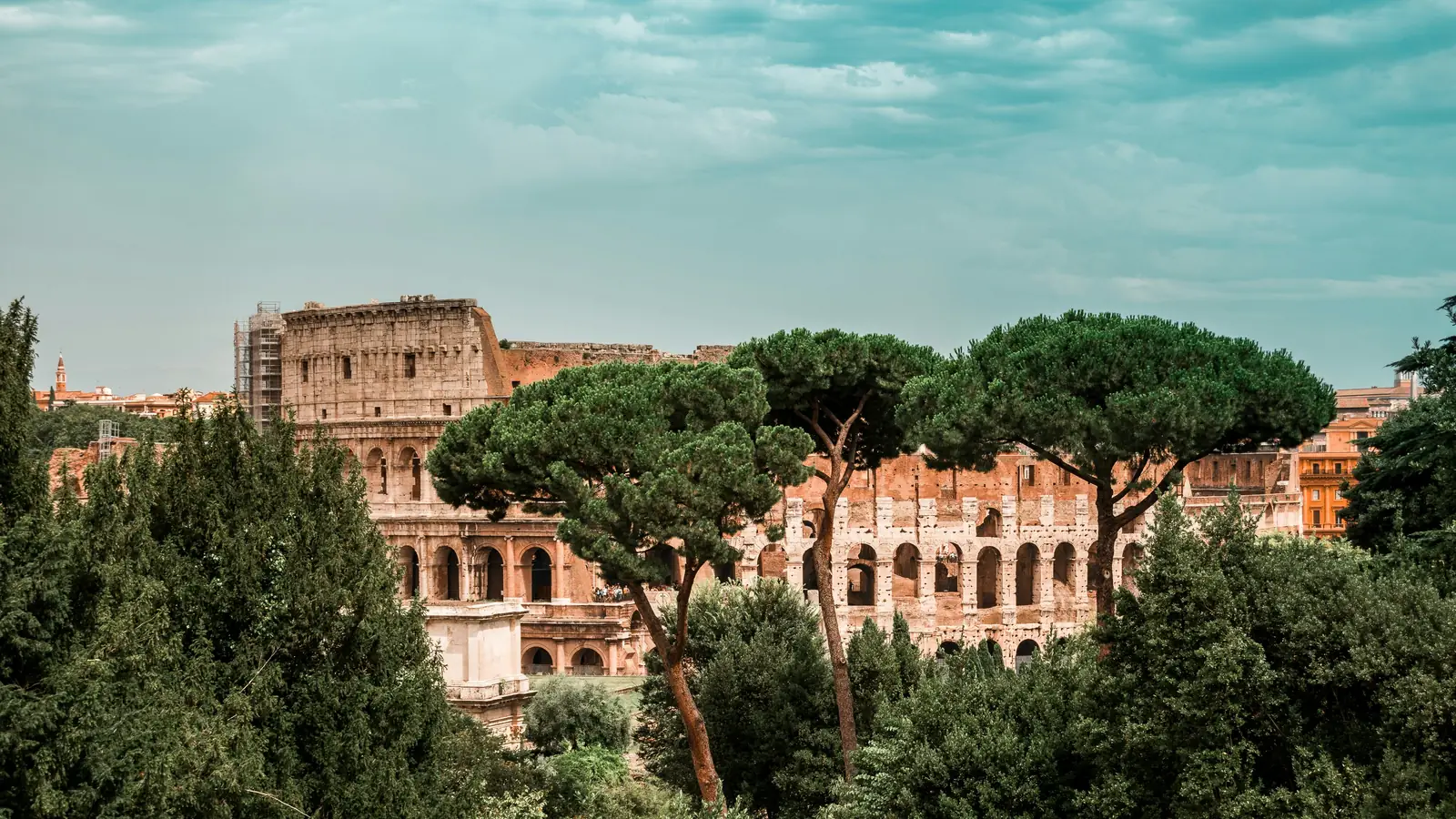
Photo: Dennis van den Worm / Unsplash

  • Compare in one search
  • No booking fees from Save60
  • Live prices on partner sites
  • Free cancellation on many rates
Staying in Rome

Rome's historic centre is dense with hotels, from small guesthouses on the upper floors of old palazzi to grand hotels near the Spanish Steps and Via Veneto. Many of the main sights are walkable from one another, so a central location can save a lot of time and transport, although rooms there are often compact. Comparing many properties in one search makes it easier to weigh location against room size and price for your dates.

Rome is busy for most of the year, with religious events at the Vatican adding to the usual flow of visitors, and the city charges a per-night tax on top of most room rates. Below you will find the areas we'd shortlist, when demand peaks, how to get in from Fiumicino and Ciampino, and the local quirks worth knowing before you book, from limited-traffic zones to late check-in.

When Rome hotel prices peak

  • Lower demand
  • Shoulder
  • Peak – book early

Busiest monthsDemand peaks from April to June and again in September and October, when the weather is warm but not oppressive; Easter and other major Vatican celebrations push rates up further. July is still busy despite the heat, and Christmas and New Year bring a shorter spike.

Best valueJanuary, February and November are usually the best-value months, with cooler weather and shorter queues at the big sights. Some hotels lower their rates in August, particularly around the Ferragosto holiday on 15 August, but it is very hot and some family-run restaurants close.

Based on typical seasonal hotel demand, not live prices. Run a search to see current prices for your dates.

Where to stay in Rome

Centro Storico

First-timers, walking everywhere

The historic centre around the Pantheon, Piazza Navona and Campo de' Fiori puts most major sights within walking distance, along with a huge choice of trattorias and wine bars. Hotels range from small family-run places to luxury addresses, and rooms tend to be smaller and pricier than elsewhere. Squares stay lively late into the evening, so ask for a courtyard room if you sleep lightly.

Trastevere

Evenings out, atmosphere

Across the Tiber, Trastevere has ivy-covered lanes, the basilica of Santa Maria in Trastevere and some of the city's best-loved restaurants and bars. It feels like a neighbourhood rather than a sightseeing district, and the Centro Storico is a short walk over the river. Nights are loud around the main squares, and there is no Metro, so you will rely on trams, buses or your feet.

Monti

Ancient Rome, independent shops

Wedged between the Colosseum and Termini station, Monti is one of Rome's oldest districts, with cobbled streets, vintage shops, wine bars and the Forum a few minutes' walk away. Cavour station on Metro line B links to Termini and the airport trains. It suits couples and repeat visitors who want character without the crowds of the Centro Storico.

Prati

Vatican visits, families

Just east of the Vatican, Prati is an elegant late 19th-century district of wide avenues, good shopping on Via Cola di Rienzo and a calmer feel at night. It is the obvious base if St Peter's and the Vatican Museums are a priority, and Metro line A at Ottaviano and Lepanto connects to the Spanish Steps and Termini. Hotels are often roomier and better value than in the centre.

Getting in from the airport

FCORome Fiumicino (Leonardo da Vinci)

The Leonardo Express runs non-stop to Roma Termini in about 32 minutes, while regional FL1 trains are cheaper and stop at Trastevere, Ostiense and Tiburtina but not Termini. Coaches run to Termini, and licensed white taxis charge a fixed fare to anywhere inside the Aurelian Walls, a ride of about 45 minutes depending on traffic.

Car rental at Rome Fiumicino →

CIARome Ciampino

Ciampino is closer to the city than Fiumicino and is used mainly by low-cost airlines. There is no railway station at the terminal, so take a coach direct to Termini, which takes about 40 minutes, or a local bus to Ciampino railway station or to Anagnina on Metro line A. Licensed taxis charge a fixed fare to the centre inside the Aurelian Walls.

How to pay less for a Rome hotel

  • Budget for the city tax (contributo di soggiorno): it is charged per person per night, rises with the hotel's category and is usually paid at the hotel rather than included in the price you see online.
  • Many smaller hotels and guesthouses only staff their reception during the day, so if you land late, check the check-in arrangements before you book.
  • If you are hiring a car, don't drive into the centre: much of it is a ZTL limited-traffic zone enforced by cameras, and fines can reach you months later via the rental company. Choose a hotel with parking on the edge of the city, or collect the car as you leave Rome.
  • Check the Vatican calendar before choosing dates, as canonisations, Easter, Christmas and other major celebrations can fill hotels near St Peter's and push up rates across the city.

Rome on the map

Rome hotels: questions and answers

Where is the best area to stay in Rome for a first visit?

For a first visit, the Centro Storico around the Pantheon and Piazza Navona keeps most sights within walking distance. Monti is a good alternative close to the Colosseum, while Prati suits travellers focused on the Vatican who want more space for the money. Trastevere is ideal if evenings out matter most.

How many nights do you need in Rome?

Three nights is the minimum for the Colosseum, the Forum, the Vatican Museums and St Peter's at a sensible pace. Four or five lets you add the Borghese Gallery, Ostia Antica or a day trip to Tivoli, and gives you slack for queues and the summer heat.

When are Rome hotels cheapest?

Rates are usually lowest in January, February and November, and early December can also be good value before the Christmas period. Some hotels drop prices in August, but it is very hot. Book early for Easter and for the spring and autumn months, which fill first.

Is there a tourist tax in Rome?

Yes. Rome charges a contributo di soggiorno per person per night, set by the type and category of accommodation and applied for up to 10 consecutive nights. Children under 10 are exempt. It is usually not included in the price shown online and is paid directly at the hotel.

How do I get from Rome's airports to the city centre?

From Fiumicino, the Leonardo Express reaches Termini in about 32 minutes, with regional FL1 trains as a cheaper option for Trastevere. From Ciampino, take a coach to Termini. At both airports, licensed white taxis charge a fixed fare to the centre inside the Aurelian Walls.